
ONC‑392 Versus Docetaxel in Metastatic NSCLC that Progressed on PD‑1/PD‑L1 Inhibitors (PRESERVE‑003)

Trial Details
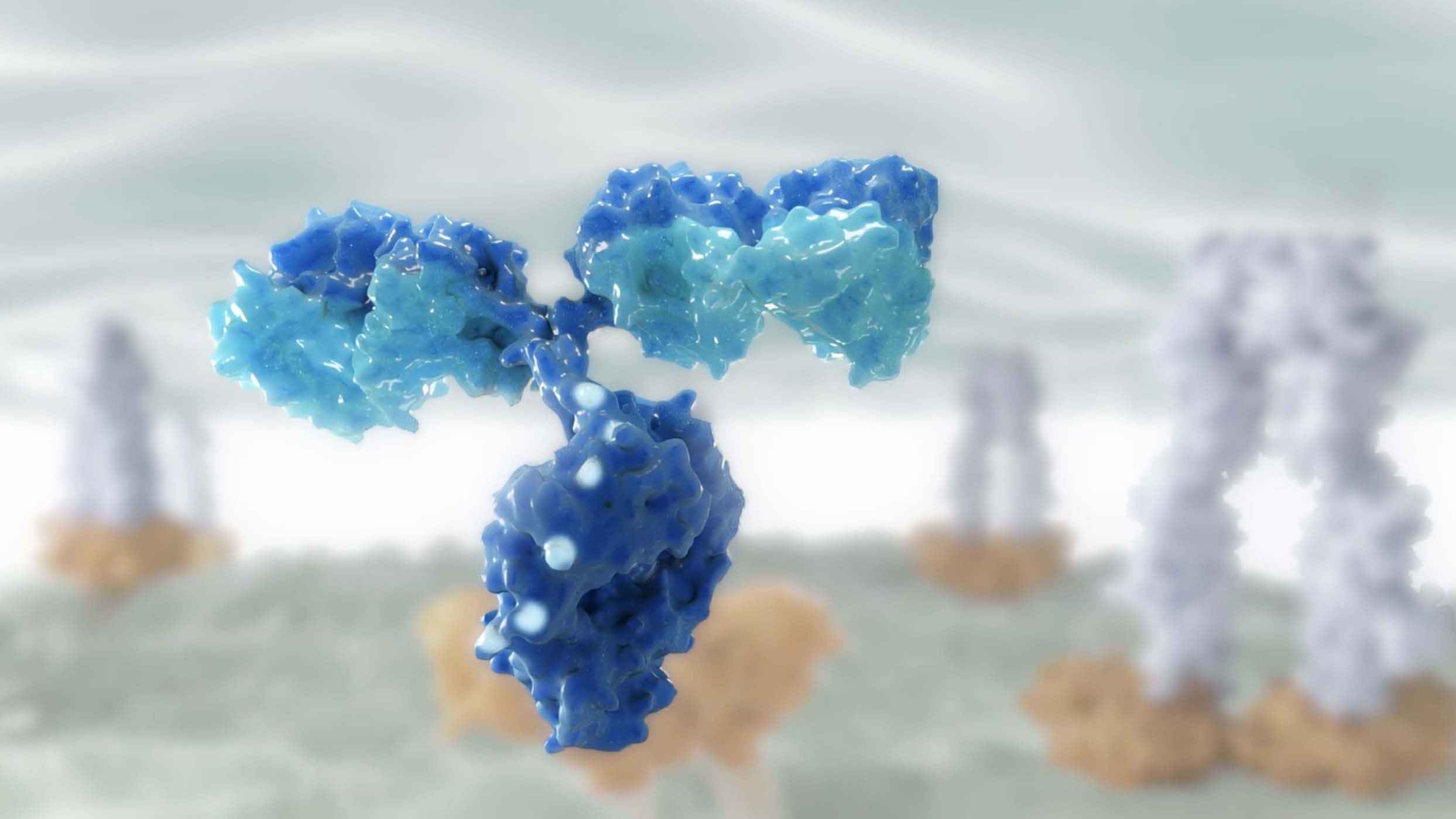
This Phase 3 clinical trial is testing a new immunotherapy treatment called gotistobart (pronounced GAH-tiss-toe-bart, also known as ONC 392/BNT316) to understand its safety and potential to help people with metastatic squamous non-small cell lung cancer (NSCLC). The study will compare this investigational treatment with docetaxel, a standard chemotherapy currently used to treat NSCLC. About 630 participants are expected to enroll.
The trial is randomized, meaning participants will be assigned to different treatment groups. The study also includes two stages. In the first stage, researchers will compare two different doses of gotistobart to determine which dose is both most effective and safest. These doses will also be compared with docetaxel. In the second stage, the selected dose of gotistobart will then be directly compared with docetaxel in people with squamous NSCLC. Researchers will then assess how well each treatment works and monitor side effects.
The overall goal is to determine whether this new immunotherapy can help people with NSCLC live longer while maintaining an acceptable safety profile.
Trial Participant Requirements
This Phase 3 clinical trial includes:
- Screening period: This lasts up to 28 days and is when doctors assess whether participants can join the trial.
- Treatment period: This lasts up to 17 cycles of 21 days each, where participants receive the treatment on the first day of each cycle.
- Maintenance period: This can last up to 1 year and is when participants continue to receive treatment to keep the cancer from coming back.
- End of treatment period: This includes a check-up at 30 days after last treatment.
- Long-term follow-up: Participants are contacted every 4 months (16 weeks) for up to 2 years to see if they are well and to see if they have started a new anticancer treatment.
If you qualify, you will be randomly placed into one of two groups. You will either receive the chemotherapy drug or gotistobart. This study is open-label, meaning both you and your doctor will know which group you’re in.
Both groups receive IV treatment once every three weeks for up to about a year. The IV infusion is expected to last about an hour each time. As long as you are benefiting and not suffering from side effects, treatment will continue. During the study, your doctor will monitor your health closely. You will have regular clinic visits and testing to track how your cancer is responding to the treatment.
By joining clinical trials like this one, you can help researchers discover new treatments and further their understanding of potential treatment options for people with lung cancer. There is no cost to you for the trial medicine or any tests or procedures that are part of the trial. Some standard tests or treatments that patients would usually receive for NSCLC may not be covered as part of the trial however, these may be covered by medical insurance (if applicable, subject to local laws and policies). The medical staff conducting the clinical trial can answer cost-related questions during the pre-screening process.
For More Information
This trial is looking for participants who may qualify, based on their age, diagnosis, and overall health. For more information, please contact [email protected].
Key Inclusion and Exclusion criteria
Participants must:
- Be 18 years or older
- Have a confirmed diagnosis of metastatic squamous NSCLC
- Have cancer that has continued to grow on scans after their most recent treatment which included both platinum-based chemotherapy and PD-1 or PD-L1 immunotherapy
- Have at least one tumor that can be seen on a scan
Participants must not have:
- Have a PD-1 or PD-L1 immunotherapy dose within the last 28 days
- Have certain gene changes in their cancer (EGFR, ALK, ROS1, HER2, MET, BRAF, RET, or NTRK)
- Have brain metastases that are causing symptoms
- Have active stomach or intestinal conditions (ulcers, pancreatitis, diverticulitis, or IBD)
- Adult (≥ 18 years), all genders, capable of signing informed consent.
- Histologically- or cytologically- confirmed diagnosis of metastatic squamous NSCLC, metastasis can be regional lymph nodes or distant organs.
- Radiographic progression after treatment with the most recent line of treatment being either 3a or 3b:
- At least 12 weeks of PD-1/PD-L1 inhibitor in combination with platinum-based chemotherapy;
- Prior treatment with at least 2 cycles of a platinum-based chemotherapy, followed by at least 12 weeks of standard doses of PD-1 or PD-L1 inhibitor-based immunotherapy.
Antibodies against CTLA-4, LAG-3, TIGIT, VEGF or VEGFR in combination with PD-1/PD-L1 inhibitor are allowed.
- At least one measurable tumor lesion according to RECIST 1.1.
- ECOG score of 0 or 1.
- Adequate organ functions. Serum LDH level ≤ 2xULN.
- Life expectancy ≥ 3 months.
- Cancer treatment related AEs have not recovered to NCI CTCAE grade≤ 1 except endocrinopathy.
- Last anti-PD-1/PD-L1 dosing within 28 days prior to first dose of study treatment.
- Receiving systemic steroid therapy with \>10 mg/day prednisone or equivalent within 7 days prior to the first dose of study treatment.
- Having documented actionable mutations or genomic alterations in any of the following genes: EGFR, ALK, ROS1, HER2, MET, BRAF, RET or NTRK;. Exception: KRAS mutations are not excluded.
- Patients who have symptomatic brain metastasis. Palliative radiotherapy or radiosurgery to brain metastasis within 14 days of the first dose of study drug.
- Active GI disease, including peptic ulcer disease, pancreatitis, diverticulitis, or inflammatory bowel disease.
- Active interstitial lung disease (ILD) or non-infectious pneumonitis.
- Active infections with IV antibiotics within 14 days prior to first dose of study treatment.
- Impaired heart function.
Inclusion Criteria (Major criteria):
Exclusion Criteria (Major criteria):
About Non-Small Cell Lung Cancer ("NSCLC")
Squamous non-small cell lung cancer (“NSCLC”) is the most common type of lung cancer, making up about 80% to 85% of all cases.1 There are two major sub-types of NSCLC; non-squamous and squamous cell carcinoma with squamous cell NSCLC (sqNSCLC) having poorer outcomes for patients.1 Many people are not diagnosed until the cancer has already spread beyond the lungs, which can make treatment more challenging.
Current treatment options often include chemotherapy, immunotherapy, or a combination of both. While these therapies can be effective, recurrence is common, and researchers continue to explore new approaches to improve outcomes for people who have progressed on these therapies. Clinical trials – such as this one-play an essential role in developing better treatments for metastatic squamous non-small cell lung cancer. By testing new therapies and comparing them with existing therapies, researchers aim to expand future options and improve survival for people living with Non-small cell lung cancer metastasis.
1Reference: Ozkaya et al., 2012; Petrella et al., 2023; Chen et al., 2023; Goldstraw et al., 2007; Cetin et al., 2011; Schiller et al., 2002 ; Ou et al 2009 ; Schrock et al 2017 ; Socinski et al 2016